Solo Travel: How to Travel Alone with Confidence and Freedom
Travel With Clarity, Self-Trust and Presence
A practical and reflective guide to travelling alone with more clarity, self-trust and presence.
Solo travel can feel exciting, intimidating, liberating and deeply transformative all at once. For some people, the idea appears immediately natural. For many others, it arrives together with a long list of doubts: Is it safe? Will I feel lonely? What if something goes wrong? What if I do not enjoy it as much as I imagined?
All of these questions are normal. In fact, they are often part of the reason why solo travel matters so much. Travelling alone is not only about moving from one place to another. It is also about learning how to trust yourself, how to make choices with more freedom and how to stay open to what happens when you are fully present in your own experience.
Whether you are planning your first solo trip or you already have experience and want to travel more consciously, this guide will help you approach solo travel with both practicality and confidence.
Why solo travel is not the same as being alone
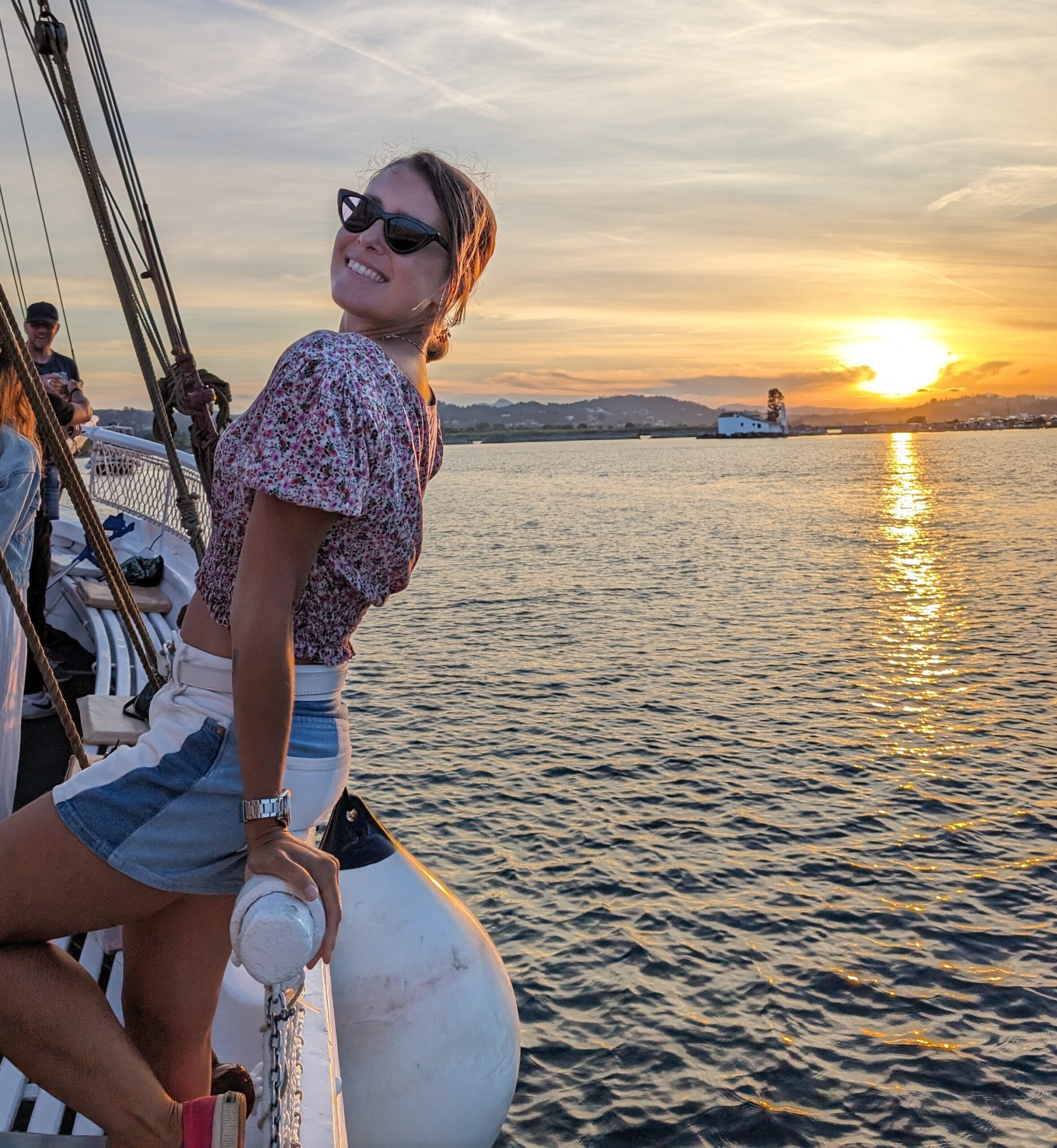
Solo travel does not automatically mean loneliness. In reality, travelling alone simply means that you are the person leading the experience. You decide the rhythm. You choose how full or how light your days should be. You change direction if something does not feel right. You follow a curiosity without needing to explain it to anyone.
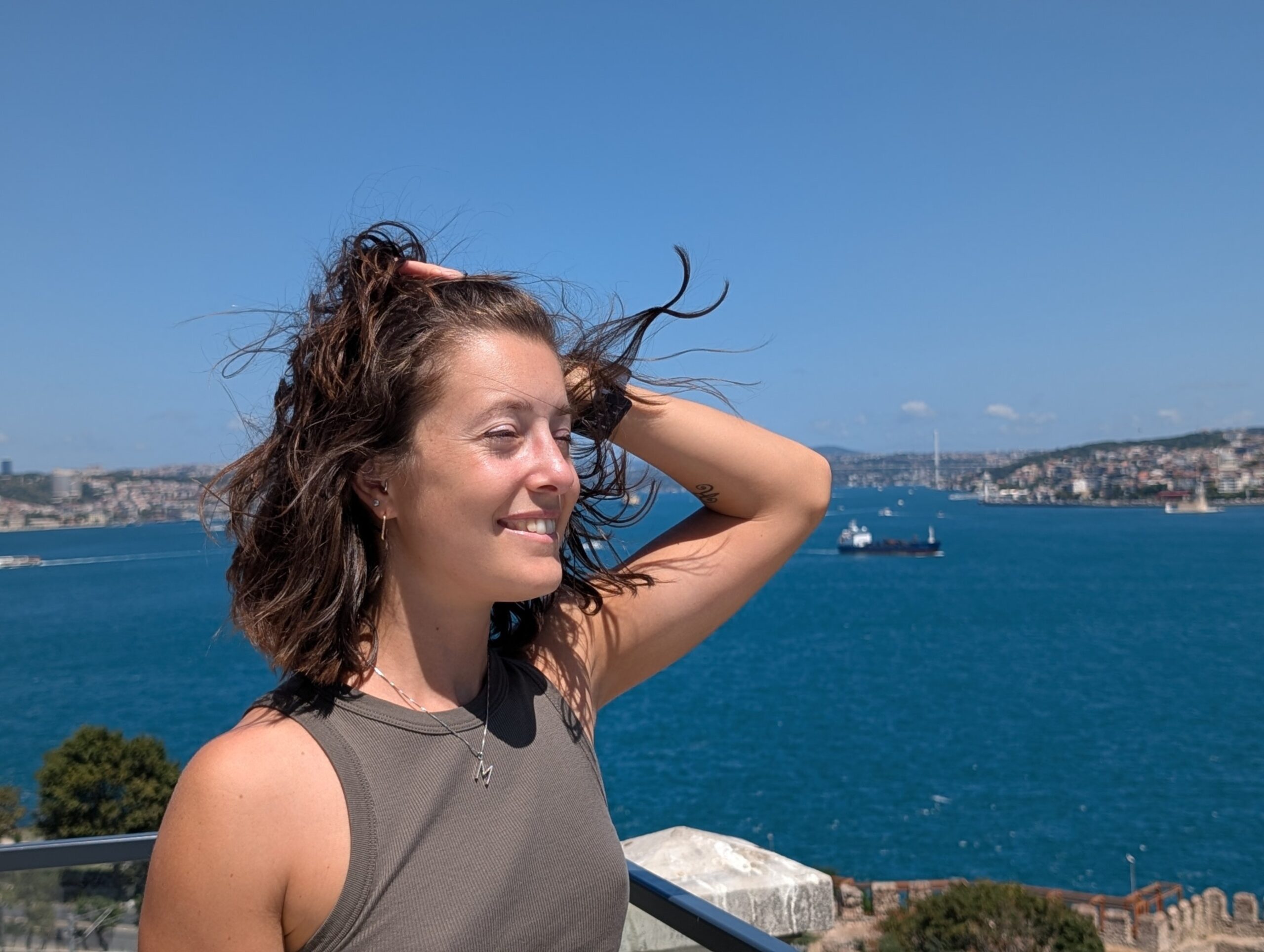
This does not mean you will never feel alone. Sometimes you will, just as you might in everyday life. But solo travel often creates a very particular kind of space: a space in which you can hear your own thoughts more clearly, notice what truly attracts you and build a stronger relationship with yourself.
It can also make you more open to the outside world. When you are alone, you often observe more, listen more and interact more naturally with local people, hosts or other travellers.
Choose a destination that fits your stage
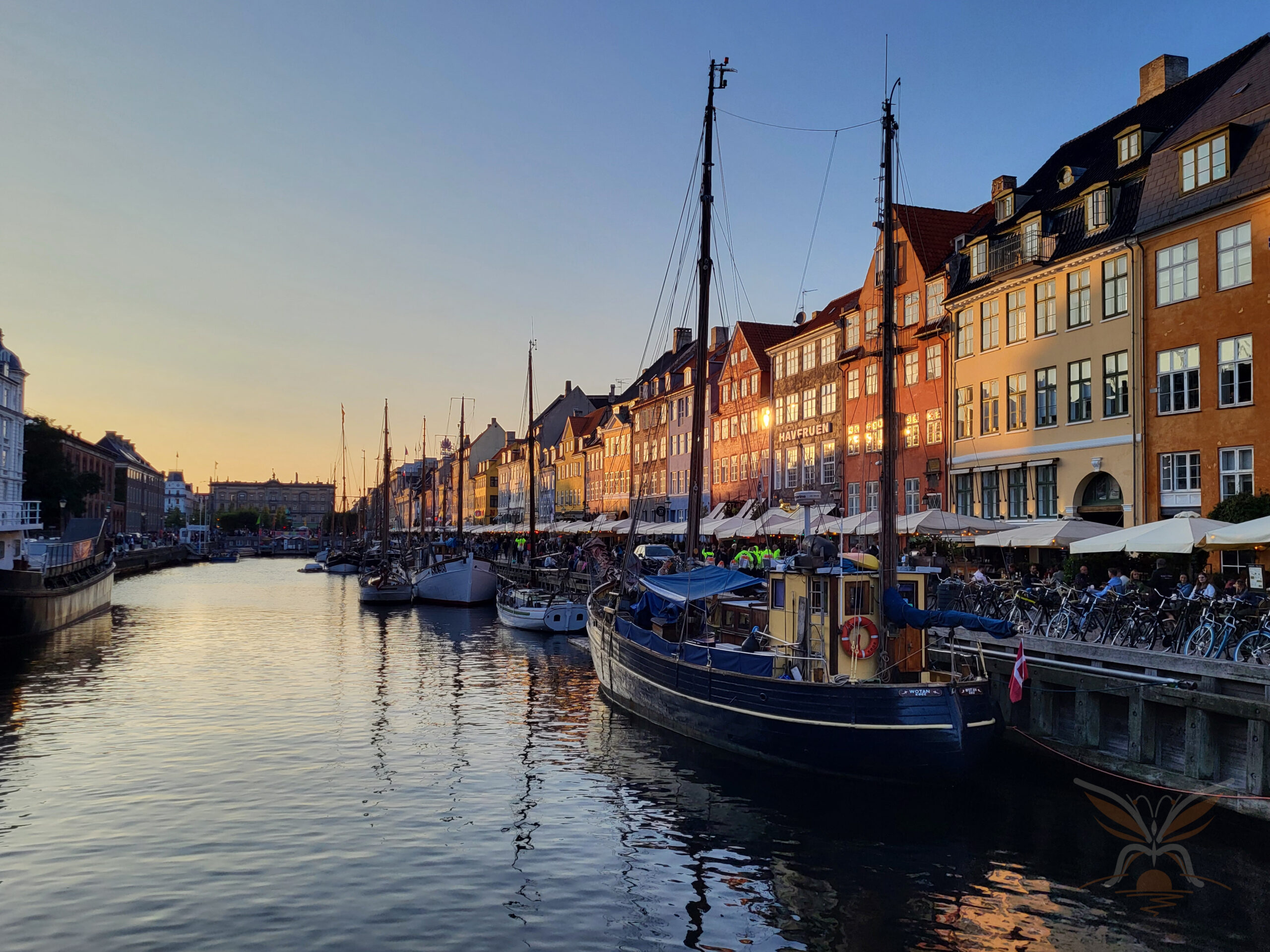
Choose a destination that matches your current stage, not the one that sounds most impressive. A solo trip often feels more natural and fulfilling when the destination matches your current level of confidence, your practical needs, and the kind of experience you genuinely want to have.
If you are approaching solo travel for the first time, it does not have to be the farthest destination, the most adventurous route, or the most unusual country on the map. Sometimes, what helps most is ease and a reassuring rhythm: good transport, walkable areas, and clear tourist infrastructure.
If you already have solo travel experience, you may feel ready to stretch yourself a little further: exploring a place that feels less familiar, taking a longer trip, moving more independently, choosing a destination with a different alphabet, following a more complex route, or embracing a style of travel that expands your comfort zone.
In both cases, the point is not to impress anyone. It is to choose a journey that supports your growth without losing sight of what feels sustainable, meaningful, and truly aligned with you.
Start from the kind of experience you want
Before you think about flights, accommodation or maps, ask yourself a simpler question: what am I truly looking for in this trip? Rest? Inspiration? Beauty? Movement? Solitude? Confidence? Contact with nature? Cultural immersion? A reset after a difficult period?
This question matters because two destinations can look equally attractive on paper and still give you completely different experiences. A trip becomes much more coherent when you understand the feeling, rhythm and purpose behind it.
For example, if you need gentleness and breathing space, you may want slower days, fewer transfers and places where you can walk, reflect and enjoy the atmosphere. If you are craving energy and stimulation, you may prefer a city break with strong contrasts, museums, neighbourhoods, markets and spontaneous discoveries.
Solo travel becomes easier when the trip resonates with your spirit of travel.
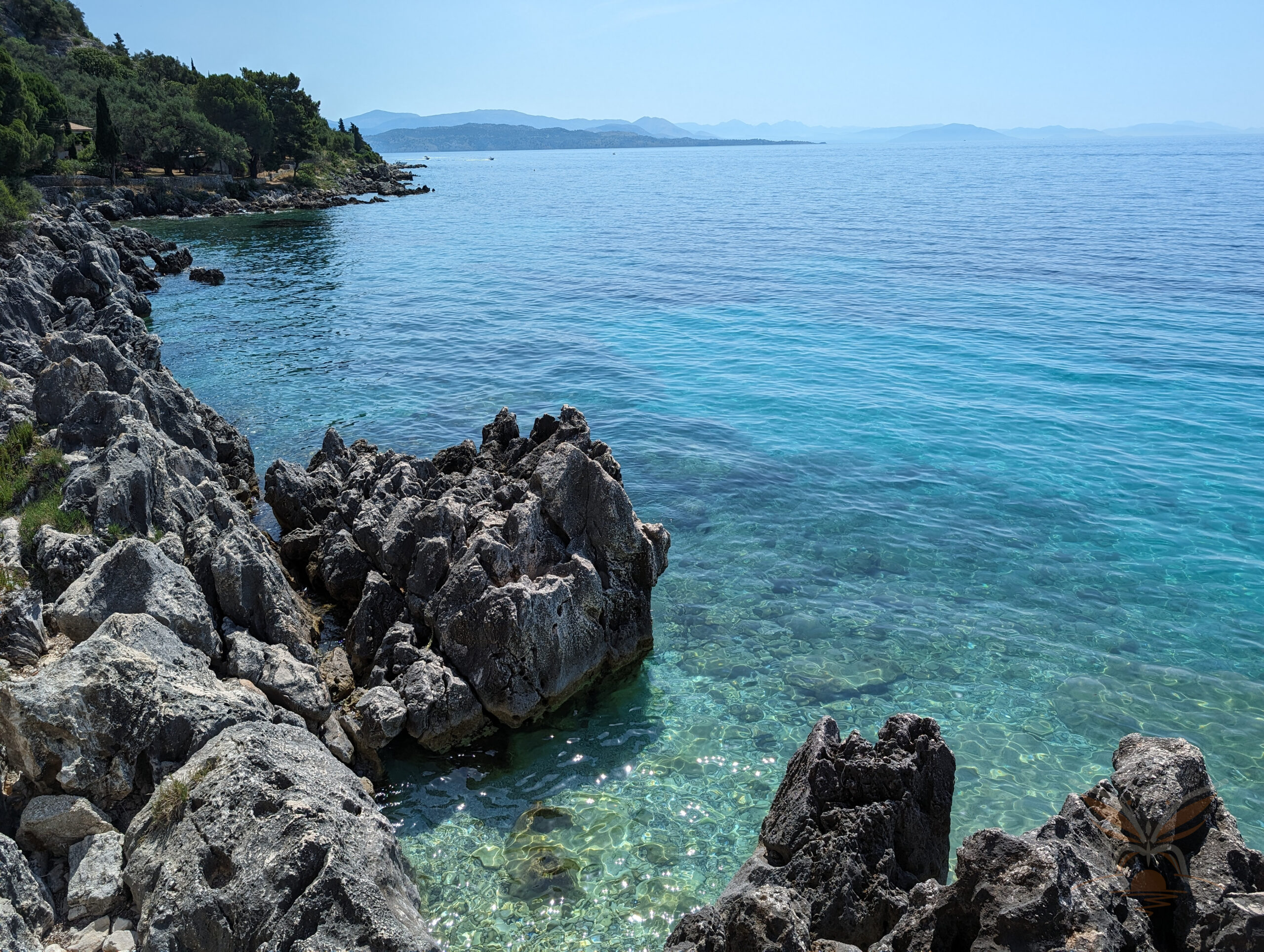
Plan enough to feel grounded while keeping your sense of freedom
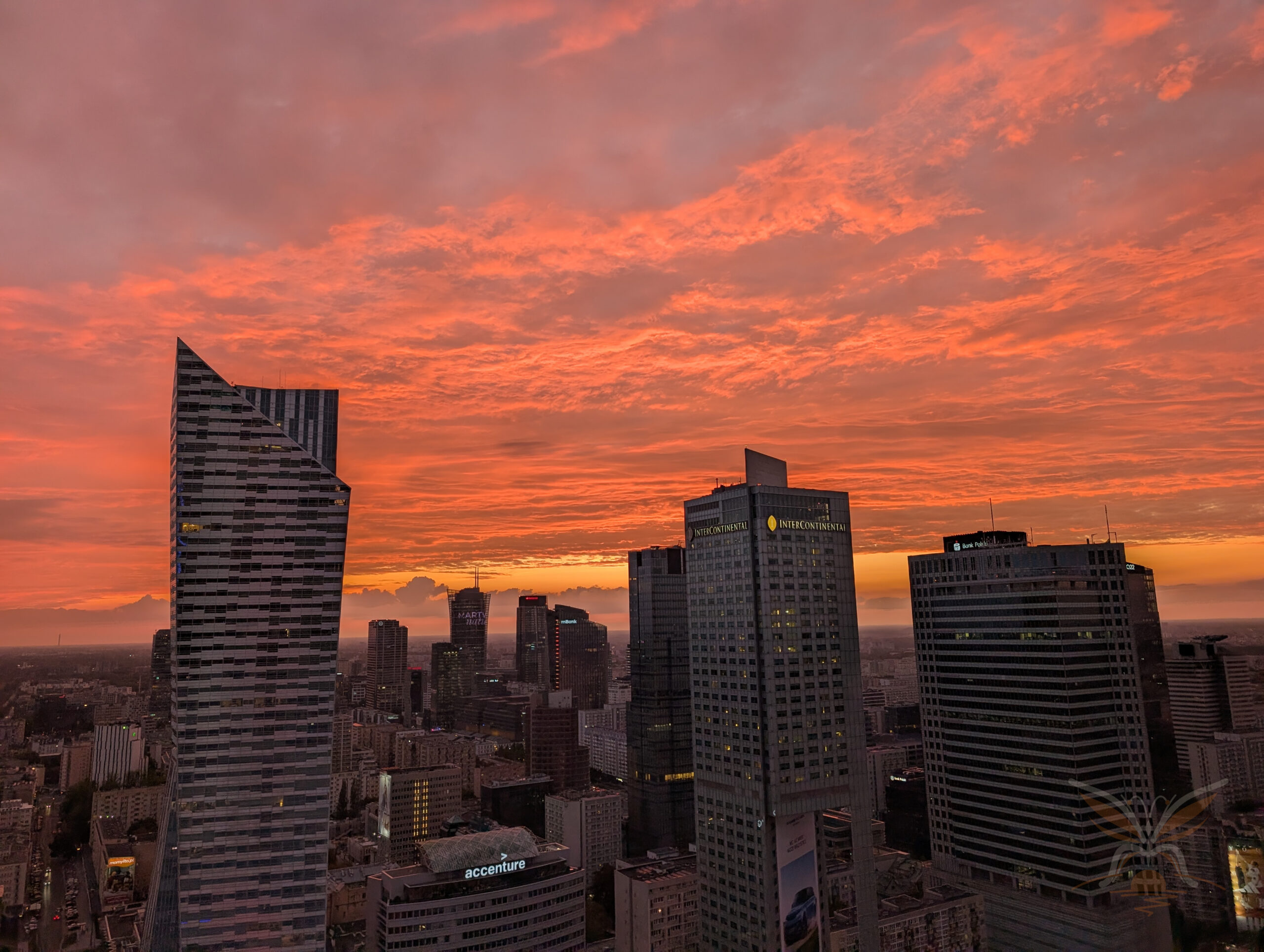
Confidence does not come from controlling every detail. It comes from knowing the essentials and leaving space for reality to unfold.
A well-designed solo itinerary usually includes a clear structure for the most important parts of the trip: transport between locations, accommodation, major entry tickets if needed, arrival logistics and an overall rhythm for the trip. This creates a sense of safety and direction.
At the same time, overplanning can make the trip rigid. If every hour is already decided, you lose the freedom to follow a street that catches your eye, stay longer somewhere, sit in a café without rushing or accept an unexpected suggestion.
Try to think in terms of anchors rather than control. Build a few fixed points into the day, and let the rest breathe.
Safety is a set of calm habits, and logistics protect your peace of mind
Safety is not constant fear. Safety habits are based on awareness, preparation and common sense.
A few simple practices can make a meaningful difference: save important documents and bookings in more than one place, share key itinerary information with someone you trust, know in advance whether you will have connectivity on arrival or whether you may need to buy an eSIM before departure, know how you will reach your accommodation, and avoid making tired decisions late at night when you can plan them earlier.
It is also important to pay attention to your energy: hunger, exhaustion, and decision fatigue can make everything feel more difficult than it really is.
Intuition matters too. If a place, situation, or interaction feels off, you do not need a dramatic reason to step away: you can simply change course. One of the strengths of solo travel is that you can adapt your plans immediately.
Many travel anxieties come not from the destination itself, but from the small practical questions around it. How do I get from the airport to the centre? When should I move between cities? What area should I stay in? How much should I book in advance?
Good logistics create mental space. This does not remove all uncertainty, it simply prevents avoidable stress from taking up too much energy. When the practical side is coherent, you can focus much more on the actual experience.
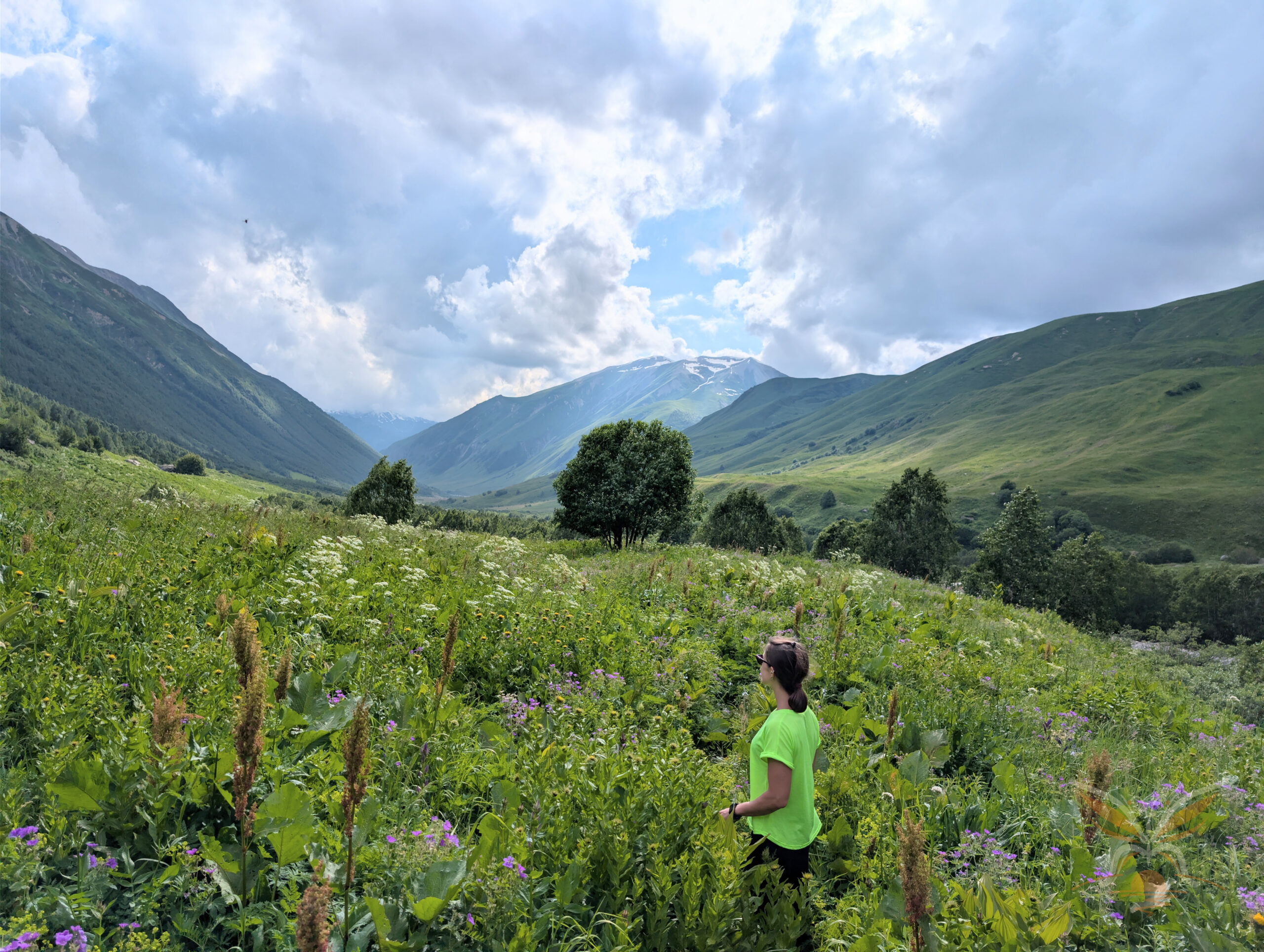
Learn how to enjoy your own company
Learning to enjoy your own company is part of the journey. One of the quiet gifts of solo travel is discovering that your own company can become a place of comfort. This may sound simple, but it can be surprisingly powerful. Sitting alone at dinner, walking through a city at your own pace, choosing what to see and when to stop: these moments teach a kind of inner steadiness.
If this is new to you, start small. Bring a notebook. Notice what you are drawn to. Let yourself enjoy simple rituals: a morning walk, a museum visit, a viewpoint at sunset, a meal chosen entirely by instinct. The more you let go of how the trip should look, the more alive the experience becomes.
Solo travel often becomes richer when you stop asking, “How do I look?” and start asking, “What am I noticing? What is moving me? What am I learning — and what am I feeling?”
When fear shows up, work with it
Fear does not always disappear before departure. Sometimes it travels with you. The goal is not to become fearless. The goal is to keep moving with enough clarity and self-trust.
When something feels difficult, return to the next concrete step. Find the platform. Reach the accommodation. Eat something. Recheck the plan. Sit down for a moment. Send a message home. Look at the map again. Confidence often returns through action, not through overthinking.
It also helps to distinguish between real risk and emotional discomfort. Not everything unfamiliar is dangerous. Sometimes you are simply outside routine, and that can feel intense at first. Give yourself time to adapt.
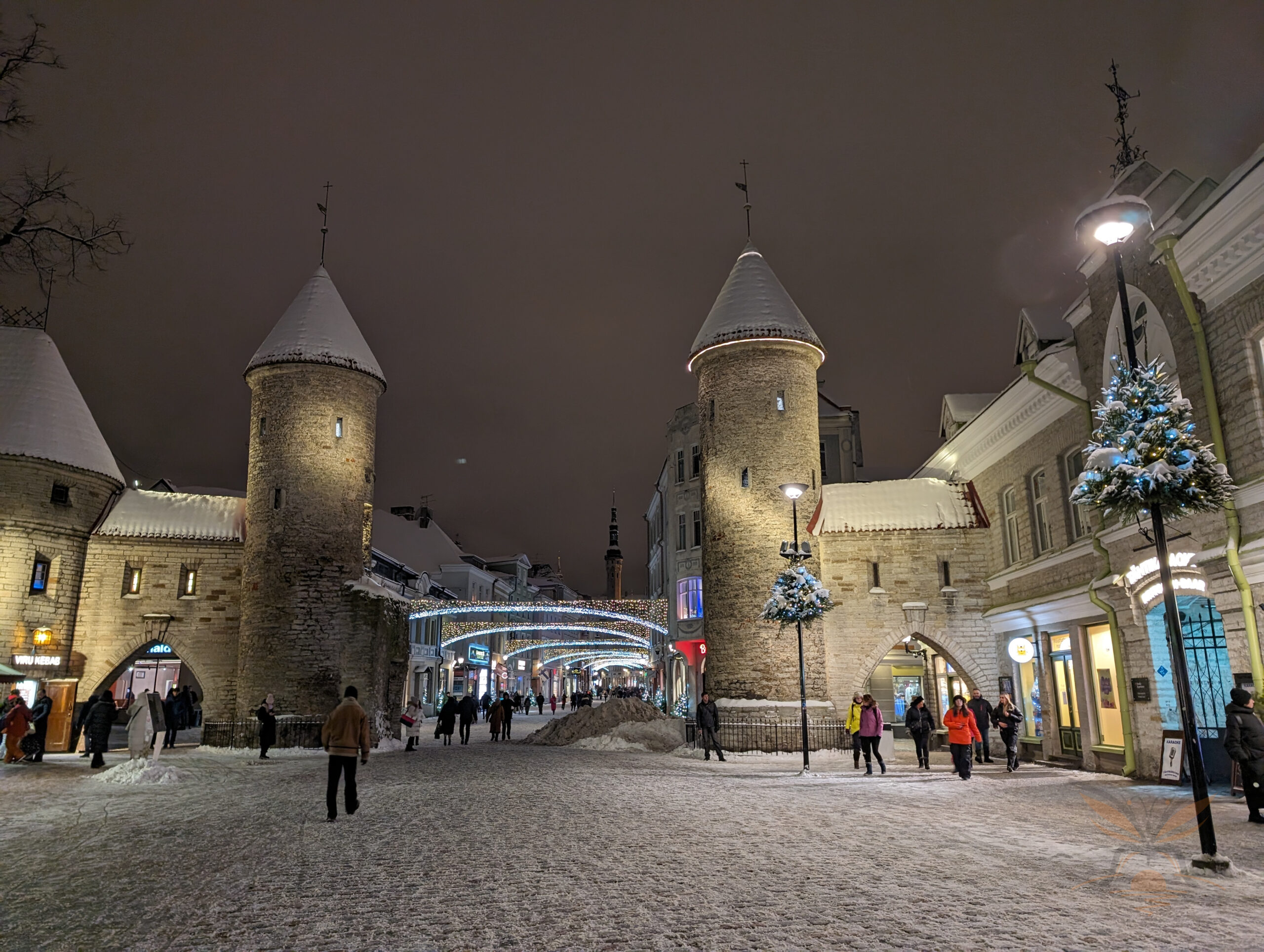
Solo travel can become a turning point
Some solo journeys can become powerful experiences of self-discovery and personal growth. Not every trip changes your life, and it does not need to. But some journeys leave a mark because of who you were when you left, what you were ready to face and what the road quietly showed you.
A solo trip can reveal your fears, yes, but it can also reveal your resourcefulness, adaptability, curiosity and courage. It can remind you that freedom is not always loud. Sometimes it looks like making one clear decision after another and slowly discovering that you can trust yourself.
That is one of the reasons I love solo travel so much. It is not only about the destination. It is about the person you become while moving through it.
Ready to plan your solo trip?
I would be glad to support you in choosing a destination that fits your stage, shaping a realistic itinerary, or approaching your trip with more clarity and confidence.
Whether you are planning your first solo journey or your next one, feel free to get in touch and tell me about your idea, your doubts, or simply the kind of experience you would like to live. We can start from there and shape a trip that feels meaningful, grounded, and truly yours.